

How to Increase Organic Search Traffic

In this blog, we will answer many of your questions about Organic Search Traffic. If you need to improve, track, or gauge your organic search traffic, you’re in the right place.

How to Increase Organic Search Traffic:

There are several ways to increase organic search traffic:

  1. Optimize your website for search engines by doing keyword research, using relevant meta tags, and creating high-quality content.

  2. Build backlinks to your website from other high-quality websites in your industry. This can help improve your website's authority and search engine rankings.

  3. Use social media to promote your content and attract more visitors to your website.

  4. Make sure your website is mobile-friendly as mobile searches are increasing day by day.

  5. Update your content regularly with fresh and relevant information, keeping in mind the latest trends.

  6. Use Google Analytics to track your website's traffic and spot areas of improvement.

  7. Utilize long-tail keywords and conversational queries as they tend to rank higher in search results compared to generic terms

It's essential to keep in mind that an increase in organic traffic does not happen overnight; it requires continuous optimization and improvement over time.

How to Find Organic Search Traffic in Google Analytics

To find organic search traffic in Google Analytics, you can follow these steps:

  1. Log in to your Google Analytics account and select the website or property you want to analyze.

  2. Click on the "Acquisition" tab located in the left-hand menu and then click on "All Traffic".

  3. Next, click on "Channels" to view a breakdown of your website's traffic.

  4. Look for the "Organic Search" channel listed under "Default Channel Grouping", which shows traffic from search engines like Google, Bing, etc.

  5. Click on the "Organic Search" channel to see further insights such as landing pages, search queries, geographic locations, and more.

Alternatively, you can create a custom report that includes organic search traffic data. You can do this by clicking on the "Customization" tab in the top navigation bar and selecting "New Custom Report". From there, you can add metrics such as sessions, bounce rate, and conversions along with dimensions such as source/medium, landing pages, etc., and choose organic search as a filter.

Tracking Organic Search Traffic as a Measure of SEO Success

Organic Search Traffic can be seen as a great measure of SEO success. This is because it is a reflection of all your optimization efforts. Analyzing organic search traffic is crucial to understanding the effectiveness of SEO strategies. 

Additionally, tracking organic search traffic can help you further optimize your website for SEO. You can use the collected data and analytics to inform decisions around content creation, keyword targeting, website design and much more. Search engine optimization is a dynamic process that involves continuous monitoring and adjustment to maximize visibility on search engine result pages.

What is a Good Organic Search Percentage?

Good organic search percentage typically varies depending on the industry, competition, and website traffic levels. In general, a healthy organic search percentage would be around 40-50%. However, some established websites with high traffic may have lower organic search percentages but still receive a substantial amount of traffic from search engines.

It's important to note that organic search alone should not be considered the only important metric for a website's success, and other factors such as engagement, conversion rates, and overall traffic should also be taken into consideration. Check out this helpful guide to find out more about Google’s SEO metrics.

What is Direct Traffic vs Organic Search?

Direct traffic refers to website visitors who arrive at a website by typing the website URL directly into their browser or by clicking on a bookmark. Organic search, on the other hand, refers to the traffic that comes to a website from search engines like Google, Yahoo or Bing.

Organic search results are based on a user's search query and the relevance of web pages to that query. So, in short, direct traffic is when users visit a website directly by typing in the URL, while organic search traffic is when users find the website through search results.

Need help with improving your site’s organic search traffic? Contact us and we'll reach out within 1 to 2 business days!

How Do I Find My Keyword Ranking on Google?

You can find your keyword ranking on Google by using a keyword tracker tool such as Ahrefs or SEMrush. These tools allow you to input your website and target keywords, and then track their rankings over time. Another way is to manually search for the keyword on Google and look for your website in the search results. However, this may not be as accurate or comprehensive as using a dedicated tool.

Measuring SEO Performance with Keyword Rankings

One key metric when looking to understand how well your website is performing is keyword ranking. This looks at where your website is positioned in SERPs for specific keywords, helping you understand if you’ve made the right optimizations and where you need to make further improvements 

Keyword rankings provide valuable insight into the effectiveness of an SEO strategy, as they indicate how well a website is performing against target search terms. In order to optimize a website for search engines, it is essential to understand which keywords potential customers are using to search for products, services or information offered on the site. 

Ideally, the website would appear at the top of the results page for these keywords. That’s why keyword research is an essential part of any SEO strategy. By analyzing search queries and determining the most relevant keywords, marketers can optimize content using these keywords and increase their website’s visibility in the SERPs.

Tracking Keyword Rankings

Tracking keyword rankings is one of the most important metrics for measuring SEO success. Keyword rankings are a way of measuring how well a website or page is performing in the search engine results pages (SERPs). It’s a way of seeing if a website is ranking for the right keywords and if it is competing with other websites in its niche. 

Keyword rankings can also be used to measure the success of SEO efforts over time, as they can show if SEO strategies are working or if they need to be adjusted. Keyword rankings can be tracked by using a variety of tools, including Google Analytics, Search Console, and Moz. 

All in all, keyword ranking is a key metric when evaluating the performance of a website. It shows you how your website is placed for certain keywords in the SERPs and can help you identify whether you've made the right optimizations and what changes you need to make. Keeping track of your keyword ranking will help ensure that your website is as successful as possible.

How to Check What Keywords a Website Ranks For

To check what keywords a website ranks for, you can use a keyword research tool. There are many such tools available, both free and paid.

Here's how you can do it:

  1. Identify the website you want to check the keywords for.

  2. Find a keyword research tool that provides this feature (some popular options include Ahrefs, SEMrush, Google Keyword Planner, and Moz).

  3. Enter the website URL into the tool and select the option to view the website's organic search rankings.

  4. The tool will generate a report displaying the keywords that the website is currently ranking for in search engine results pages (SERPs).

Note that not all tools may provide the same level of accuracy or depth of information, and results may vary depending on the specific algorithms used by each tool.

Tracking Keywords is critical to measuring your success in maintaining an effective presence online for your business. Our SEO services include monthly updates on your site’s keyword changes. Please contact us to start improving your business’ success.

Why Did My Domain Authority Go Down?

Today we will cover the topics of why my Domain Authority went down and how to improve my Domain Authority. It is important to understand Domain Authority if you want to have a successful digital presence with plenty of web traffic.

Domain Authority is a search engine ranking score that measures the strength of a website's domain. It is measured on a scale of 0 to 100, with higher scores corresponding to a greater ability to rank on search engine result pages (SERPs) and higher visibility in search results. A website with a high Domain Authority can be thought of as a more reliable source than one with a lower score. 

Having a higher Domain Authority will allow your website to appear closer to the top of search engine results, leading to increased website traffic and better chances of success. It is important to monitor your domain authority as it can help you understand how well your website is performing in organic search results, and which competitors are outranking you. 

If your domain authority is lower than your competitors, you may want to make changes to ensure you are performing better in the SERPs. This can be done by increasing the quality of your content, building more high-quality links, and improving the overall user experience of your website. 

Improving your domain authority involves optimizing your website content, improving the quality and quantity of incoming links, and increasing the usability of the website for visitors. Making sure you have these factors in place can help you achieve higher rankings on SERPs and gain increased visibility for your website.

Why Did My Domain Authority Go Down?

There could be several reasons why your domain authority went down, including:

  1. Low-quality backlinks: Your site may have low-quality links that are not relevant to your niche or are from spammy websites. These types of links can harm your website's authority.

  2. Changes in search algorithms: Search engines like Google make updates to improve their services, and their updates to the algorithms might have affected your domain authority.

  3. Lack of new content: Creating fresh content regularly can help maintain and improve your domain authority. If you haven't published any new material, then that could be the reason for the decline.

  4. Technical issues: Speed, mobile response, and crawl errors on your website can cause decreased domain authority.

How to Improve my Domain Authority

Domain authority is a metric that predicts how well a website will rank on search engine result pages (SERPs). To improve your website's domain authority, here are some tips:

  1. Publish high-quality content: Regularly publish informative and engaging content that is relevant to your niche and target audience.

  2. Build high-quality backlinks: Focus on acquiring high-quality backlinks from authoritative websites within your niche.

  3. Optimize on-page elements: Ensure that your title tags, meta description, URLs, and header tags are optimized and relevant to your content.

  4. Improve website loading speed: Make sure your website loads quickly, as fast-loading websites are favored by search engines.

  5. Use responsive web design: Ensure your website is mobile-friendly, as Google now prioritizes mobile-first indexing.

  6. Monitor and fix technical issues: regularly audit your website for any technical issues such as broken links, error pages, and duplicate content, and fix them.

  7. Engage with readers and build your social media presence: respond promptly to comments and questions from your readers and promote your content on social media to increase engagement and referral traffic.

In review, most SEO improvements come from improvements to the quality and relevance of your content, helping the searcher get the best answer they are seeking quickly, and fixing technical issues. To find out more about the SEO metrics that Google uses, check out this useful guide.

Need to improve your Domain Authority? Feel free to contact us for an affordable and effective solution to your digital marketing needs.

What is Page Authority?

In today’s blog, we will cover what Page Authority is and how to increase Page Speed Score for SEO. These concepts are important to understand if you want to rank on Google Search Engine Results Pages.

What is Page Authority?

Page authority is a measure of the overall strength of the page in terms of how it ranks on search engine results pages (SERPs) and is determined by several factors. It's based on a 1-100 scale and measures the likelihood that the page will rank for specific key phrases or topics. It takes into account things like quality, link profile, and content, as well as other criteria that search engines use to determine relevance. 

Page authority can help determine the ranking potential of a page, but it's important to remember that page authority should never be the sole factor used when optimizing for SEO. It takes into account a variety of factors, such as the quality of inbound links, the quality and quantity of content on the page, and the age and history of the domain, to determine a score between 0 and 100. 

This score can be used to compare pages against one another and to gain insights into how well they are optimized for search engine performance. Additionally, the SEO ranking score is a great tool to use when analyzing a website's potential performance in search engines. It can be used to identify which elements need to be improved and which should be maintained. 

How to Increase Page Score for SEO?

There are several ways to increase page score for SEO. Here are a few suggestions:

  1. Optimize your website’s content: Make sure your content is high quality, easy to read, and keyword-rich. Use H1 tags and subheadings to help Google identify what your pages are about.

  2. Improve page speed: A fast loading speed is important for a good user experience and can also improve search engine rankings. You can improve page speed by compressing images, minimizing code, and using a content delivery network (CDN).

  3. Use backlinks: High-quality links from other websites to your website signals to Google that your website is authoritative and trustworthy.

  4. Focus on mobile optimization: Nowadays, mobile optimization is crucial as the majority of users are accessing the internet through their mobiles. Ensure that your website is mobile responsive.

  5. Optimize metadata: it is essential that you optimize on-page elements like title tags, meta descriptions and tags.

  6. Focus on Local SEO: Create and optimize your Google My Business profile for local search rankings. You can also target keywords that have local search intent.

  7. Regularly update your website: Fresh and unique content offers great value to users and search engines rank such websites higher as they see this as a reliable source of information.

How to Increase Page Speed Score for SEO?

Increasing page speed score can improve the user experience and boost SEO performance of your website. Here are some tips to increase your page speed score:

  1. Use a Content Delivery Network (CDN) to serve your content from a server closest to the user's location.

  2. Optimize images by compressing them without losing quality using tools like Photoshop, GIMP, or TinyPNG.

  3. Minimize HTTP requests by combining CSS and JavaScript files, and avoiding too many plugins.

  4. Enable browser caching to store temporary data on the visitor's computer, reducing loading time on return visits.

  5. Use a fast and reliable hosting service with top-notch security and customer support.

  6. Optimize your code by removing any unused or unnecessary code, especially in CSS and JavaScript files.

  7. Reduce the size of your pages by removing unnecessary elements or large media files.

  8. Make sure to use asynchronous loading of JavaScript files to avoid slowing down other page assets until the script has fully loaded.

Keep in mind that there are many factors involved in page speed and optimization, and it is essential to continuously monitor and test your website to optimize for better performance. If you’d like to learn more about the SEO metrics that Google uses, check out this helpful guide.

Need help with increasing your Page Authority Score? Contact us and we'll reach out within 1 to 2 business days!

When Should You Use Paid Social Media?

Social media is an incredibly powerful marketing tool, but it can be difficult to know when you should use paid promotion versus organic promotion. In this blog post, we'll explore the pros and cons of paid social media and help you make the best decision for your company.

What Is Paid Social Media?

Paid social media is an effective way to boost your online presence and reach a larger audience. It involves paying to advertise on various social media platforms, such as Facebook, Twitter, Instagram, and LinkedIn. 

With paid social media, you can target specific audiences and create detailed campaigns to ensure your message reaches the right people. When deciding if and when to use paid social media, consider your goals and objectives. You may want to start with a small budget and experiment with different campaigns to see what works best for your business. 

Additionally, if you have an upcoming event or promotion, using paid social media is a great way to increase awareness and drive more traffic to your website or store. It's also a great way to build your audience and capture emails!

Factors to Consider When Utilizing Paid Social Media

It's important to understand your target audience and the platforms they use when deciding on which social media platform you should use. After all, if you are going to invest in paid social media advertising, you want to make sure you're targeting the right people and the right channels. 

But that doesn't mean you should forget about the fun part of digital marketing - the memes, GIFs, and quirky content that will catch the eye of your target audience. You don't have to be a guru in all things digital marketing, but you do have to have an idea of what resonates with your consumers and how to present that in a way that will grab their attention.

You also need to consider the type of content that resonates best with your audience, whether it be videos, images, or text-based ads. Digital marketing is no joke, so you need to make sure you pick the right medium for your message! Knowing your target audience is key to getting the most out of your digital marketing strategy. 

You need to make sure you create the kind of content that will grab their attention and keep them engaged. A great way to get started is to experiment with different media and see what works best for your company. From there, you can adjust and refine your strategy to make sure you're making the most of your digital marketing efforts.

Meanwhile, when it comes to digital marketing, make sure budget isn't so restricted as to become a barrier. By creating an online campaign for the right audience with the right message, you should make sure your budget aligns with what type of ad campaigns are necessary to reach your desired results. Success in Paid Social channels all comes down to getting creative and making calculated decisions based on data and analytics.

Need help with Paid Social? Contact us and we'll be glad to help!

How Do Search Engines Rank Websites?

Have you ever wondered how search engines like Google, Bing, and Yahoo decide which websites to rank first when you search for something? It's a complicated process, but understanding the basics of how search engines rank websites can help you optimize your website and increase your chances of appearing high on search engine results pages (SERPs). 

In this article, we'll explore the key SEO ranking factors that influence how search engines rank websites, as well as provide some tips on how to optimize your website for higher rankings.

How Do Search Engines Rank Websites?

To understand how search engines rank websites, we first need to clarify the 3 steps of Googlebot's process. Googlebot is the bot they send to your website to gather information.

1) Googlebot comes to your site, "crawls" the information and takes it back to Google HQ. This is the Crawling Process.

2) Your information is put through an extremely advanced algorithm that uses SEO Ranking Factors to decide where to place your website. This is the Indexation Process.

3) Once that decision is made, your website goes through the Listing Process, where you are listed on Google.com as well as others.

#1 and #3 are fairly self-explanatory, so let's dive into what the ranking factors are.

SEO Ranking Factors

SEO ranking factors are key components in understanding how search engine algorithms determine website rankings. Basically, search engines will use a variety of factors to determine how a website should be ranked in the search engine results pages (SERPs). 

These factors can include things such as:

  • the quality and relevance of content on the website

  • the speed of the website

  • how safe the website is to visit

  • the size of the codebase

  • backlinks

  • the amount of traffic a website receives

  • and many other factors

As a website owner, it is important to understand how search engines rank websites so you can optimize your website accordingly. By understanding the SEO ranking factors and how they work, you can improve your website's ranking and visibility.

What are the most important factors?

Google doesn't outright give us the ranking factors in order of importance (most of the time), but SEOs generally have a good idea based on how their sites react to certain projects. Our current ranking factor list puts these three first:

1) Site Speed & Performance (particularly on mobile)

2) Helpful Content (pay attention to user scroll length and how well they interact with the content)

3) Backlinks

Those 3 are always near the top, so it's no real surprise that we're seeing them get the most movement again. Backlinks are a weird one because they're very difficult to execute on and it's often good to let the client handle that and guide them through their business connections to generate backlinks.

As an SEO, you simply need to know site speed and performance like the back of your hand. Use Pagespeed Insights, do their recommendations (even if they seem silly), and be absolutely sure your site is mobile friendly. Also, make sure your LCP (Least Contentful Paint) is below 2.5 seconds. LCP measures the times before your largest image or text block is loaded, which gets the user started on viewing the site.

On the topic of helpful content, this ones simple: Google needs answers to questions, and users have a lot of questions. If you provide good, well thought out, well formatted answers then Google will appreciate it and reward you. It's as simple as that.

Need help with your digital marketing efforts? Drop us a line and we'll reach out within 1 to 2 business days!

How To Fix Hreflang Tags With Errors

Hreflang tags are an important part of SEO and help search engines understand which version of a page should be shown to users in different languages or countries. Unfortunately, errors in hreflang tags can cause search engine crawlers to be confused and not show the correct version of the page.

In this article, we will discuss how to identify and fix hreflang tag errors. We will look at common mistakes that can lead to hreflang tag errors and how to use HTML code to properly set up hreflang tags on your website. We will also discuss some best practices for setting up hreflang tags that can help you ensure that your website is properly optimized for international SEO.

What are the benefits of having hreflang tags on my website?

All in all, hreflang tags are an important part of website optimization as they help webmasters to target specific countries or regions with their content. By adding hreflang tags to a website, webmasters can ensure that their content is being served in the correct language and region. This helps them to increase their visibility in search engine results pages (SERPs) for international users.

Furthermore, hreflang tags can also be used to improve the user experience on a website by serving localized versions of pages depending on the user’s location. As such, having hreflang tags on a website can be beneficial for both SEO and UX purposes.

How to create hreflang tags

Hreflang tags can be placed in the sitemap, HTTP header or inside the markup on the page itself. It should reference which language the page is in and is a simple bit of code that can be placed various places. If you have a link to the Spanish version of your site, for example, you could add the following inside your <a> tag: hreflang="es-es"

Need to find the code for your specific language and country? Click here for hreflang.org. It’s a database that shows every valid hreflang tag.

How can I check if my hreflang tags are working correctly?

If you want to make sure that your hreflang tags are working correctly, there are several ways you can do it. First, you should use Google’s Search Console to check if the tags are being read and indexed correctly. You can also use a tool such as HREFLang Checker to verify the accuracy of your tags. Additionally, you can use a crawler such as Screaming Frog SEO Spider to check for any errors in the implementation of your hreflang tags.

By taking these steps, you will be able to ensure that your hreflang tags are working properly and helping improve your website's international SEO performance.

Got questions on hreflang tags or need help with implementation? Reach out to us using the link on the right hand side and we’ll be glad to assist you!

Which Metatags Are Important For SEO?

Metatags are an essential part of search engine optimization (SEO). They help search engines understand the content of a page and rank it accordingly. With so many different tags to choose from, it can be challenging to know which ones are the most important and what to include in your website. In this blog post, we'll discuss the essential metatags for SEO and how to use them for maximum visibility.

The Basics of SEO Metatags

SEO metatags are HTML tags that provide search engines with information about your web page. They’re an important part of optimizing your website and, if done right, can result in higher keyword rankings. Metatags are placed within the head section of your HTML document and should include relevant keywords associated with the content of that page.

Including the right SEO metatags is a great way to help improve your SEO, so make sure to spend time optimizing them for maximum impact. Be sure to create seo metatags that reflect the content you're trying to rank for. Page Titles are generally used more by Google than Meta Descriptions, so target your key topic in the Page Title. The Meta Description should target click-through rate for users, meaning it should be captivating. It's also important to periodically refresh them.

We suggest updating your metadata every 4-6 months. This will give Google (and other search engines) time to react to your previous changes and your pages will have time to settle in the rankings. Once the time has elapsed, look at what key topics those pages are ranking for and target the high-ranking ones more closely (the ones in positions 3-10) as long as they’re relevant. That will reinforce Google’s perception of your site and help you rank.

Post-Optimization Tasks

After you update the page titles and meta descriptions across your site, go into search console and put your homepage URL in the top bar, then hit enter. This will give you the option to submit the URL to Google. It will say it’s always on Google, but do the request anyway. When you submit the homepage URL it should recrawl the site.

 After that, keep an eye on your rankings. Google will likely crawl your pages in the next week or two so you’ll see whether the shift was positive or negative. Just remember: for initial keyword mapping (building metadata) you want to do raw keyword research and competitor research to see what terms they’re ranking for. Then write the metadata, but avoid keyword stuffing. For keyword map refreshes, focus on what the pages already rank for and reinforce those topics.

Upgrading Your SEO

If you want to take your SEO to the next level, we have a community of the top freelance SEOs in the United States ready to help you. All agreements are month-to-month and you can opt out at any time. Drop us a line, we’re excited to hear from you!

How To Fix 'Crawled, Current Not Indexed' server errors

If you're a website owner, one of the most annoying technical SEO issues you may face is when your website pages are crawled but not indexed. It's not only a perplexing problem to solve but can be detrimental to your website's performance in search engine results. Fortunately, we have some tips to help you fix this issue and get your pages indexed quickly.

Understanding What "Crawled currently not Indexed" Means

“Crawled currently not indexed” is a message from search engines telling you that they have crawled your page, but for some reason have opted not to add it to their index. This could be due to a range of issues, including server errors, or the page not meeting SEO standards.

If your page has been crawled and not indexed, it is important to investigate and resolve the issue as soon as possible, otherwise it won't be visible to potential customers. Reasons for this can range from a slow-loading page, duplicate content, or a noindex tag on the page. It can be quite daunting trying to find the source of a server error, especially when you're standing with Google and have to get things up and running quickly! But with a bit of troubleshooting and some trial and error, it's possible to identify and fix the issue in no time.

After all, it's worth the effort for a smooth and efficient website. However, don't let server errors stand in the way of your website standing with Google! It is important to diagnose and fix the issue causing the crawl error to ensure your website is indexed properly by search engines. Not only will this help get your site noticed, but it might also give your page a better ranking, making sure you won't be missed amongst the competition.

Optimizing Your Site & Content to Avoid the Issue

Optimizing your site can help reduce the number of these server errors and improve the user experience. One of the most effective ways to do this is to ensure your files are properly optimized, minimizing the size and number of files that need to be loaded. Additionally, it is important to ensure you are using the latest version of software and plugins, as this can help minimize the chances of server errors occurring.

Additionally, setting up proactive monitoring of your site can help you detect server errors before your visitors do, and take the necessary steps to resolve them. Taking the time to optimize your site and monitor for server errors can make a huge difference in the user experience. Regularly check for broken links as well, as this can cause errors and slow down page loading times.

Server errors can be incredibly annoying for users, so it is important to take proactive steps to prevent them. Ensuring that all pages of your website are linked correctly and no dead links exist can help to reduce the chances of server errors occurring. Regularly scanning your website for any potential issues can help to identify any problems before they become a major issue. Good SEO and high quality pages prevent these errors from occuring.

How To Find An SEO Expert

Services like SEO can be very frustrating to find. Agencies will charge astronomical prices and can have middling results while freelancers are a complete guessing game most of the time. As a small to medium (or maybe even large) sized business, just know that you’re not alone.

Over the years, we’ve talked to so many companies that got scammed by their previous SEO, found someone who didn’t know what they were doing or got slapped with a penalty due to the SEO using outdated practices that are now banned. We’ve heard the pain, believe me.

How To Find A Good SEO

Whether you need a consultant, a local expert or an agency, the best thing you can do is ask other companies/business owners. Even if that means attending a Chamber of Commerce get-together and asking around then do that. The real secret is: the best SEOs are often hidden. That may sound counterintuitive, but most of the scams come from two places:

  • Agencies that spend all their effort marketing and don’t train their SEOs, relying on the fact that the industry is “mysterious” and the client won’t know how to properly pay attention.

  • Freelancers who promise the world but have no idea what they’re doing

When you ask someone for an SEO reference and they give you one, then ask them how much their traffic and rankings have increased. Ask them if they’re getting additional business and if that business was brought by the SEO. SEO can be hard to measure so you may not get a direct 1-to-1 (unless it’s an eCommerce site), but make sure the person themselves isn’t just guessing.

Let me say this clearly: Advertising presence does NOT mean good SEO. While I can’t mention their name, the area where I live has a huge agency. They don’t train their SEOs, they’re only allowed to do content and meta tags (SEO is way more than that) and they have a massive marketing budget. When an SEO leaves? No worries, they just grab some college graduate to act the part.

I know this because I interviewed for new SEO positions and interviewed several of them. None of them had any experience and they were not allowed to learn SEO past a certain point or they would literally be fired. Insane.

What if I can’t find a good SEO?

As a freelance network, we locate the actual good SEOs and allow them to work remotely. A lot of them work for some of the top agencies as their main job, so there’s the trade-off of them not always being readily available, but we pay them a higher percentage and don’t have overhead, so we can charge you less on top of that. That’s why Esseo Digital was designed: to get rid of the headache of finding a good SEO.

If you’d like, then reach out to us! As the owner, I personally oversee and act as Project Manager on every project. As I have 16 years of SEO experience then I can also guide your account managers if I feel they’re taking a wrong turn. Although, to be honest, I never need to hold their hand on anything anymore.

You can reach out to us using the form below. We look forward to talking with you, and be careful out there. The world of SEO is filled with scam artists, so please be careful not to get burned.

Why Backlinks Are Important

We've already talked about the first three pillars of SEO: Keywords, Technical, and Content. We will now cover the fourth SEO pillar, Backlinks. Backlinks have been and remain the primary ranking factor for websites for over a decade. This isn't just our experience; it's backed up by a ranking factor study that SEMRush conducted.

Do Backlinks Help SEO?

Yes, SEMRush discovered that domains with more backlinks have higher SERP positions. We briefly touched on this in the Domain Authority blog; backlinks can be thought of as confidence votes that this website is valid and its content is useful. However, not everyone's vote (backlink) counts for equal authority.

You may be surprised to find that some backlinks are hurting your rankings and can cause a penalty on your site. This illuminates a darker side of SEO full of malicious intent known as 'black hat' SEO. 

I must issue a word of caution before continuing on this topic. Backlinks are a narrow path surrounded by temptation to do things the wrong way. I cannot stress this enough: Do Not Buy or Pay For Backlinks. Google will issue what's known as a manual penalty and it will severely cripple your rankings and ultimately your traffic.

Do not try to scheme the algorithm. Google's algorithm is far too comprehensive to get away with buying backlinks these days. Trying to recover from a manual penalty will cost much more than doing things the right way. 

Before attempting to get new backlinks, you must take stock of your existing profile of backlinks. You can use Google Search Console to view your backlinks for free. Alternatively, SEMRush offers an audit tool that rates backlinks' with a 'toxicity score'. 

How to Check Backlinks in Google Search Console

Navigate to Google search console, then select your property in the top left of the dropdown menu. On the left menu, scroll down to Links. Go to Top Linking Sites to see a list of domains linking to you. Clicking on these domains will provide more detailed information about specific target pages and number of links. On the top right of any report, you can also click Export to your preferred spreadsheet. 

Is a Backlink No Follow or Not?

While on the page that the link is coming from, press CTRL+U to view the source code (in Chrome/Firefox/Brave), then CTRL+F to Find your domain URL. Here you'll be able to view the anchor text and see if the link is nofollow or not.  Simply check if there is a 'nofollow' tag. If there is not a nofollow tag there, then it's a do follow.


It's wise to check some of these domains to make sure they are legitimate and not part of a linkfarm. This is where an experienced SEO specialist can really benefit you. It's difficult to accurately describe signs of a link farm as they are constantly changing and evolving tactics. If you suspect the link could negatively affect you, there are a couple of options we can go into later. 

The Links page in the Search Console has External Links, Internal Links, Top Linking Text and Top Linking Sites. Internal links allow you to examine your domain's internal link structure. Backlinks are basically what's known as external links from other sites to your domain. 

It's a good idea to check the Top Linking Text section. If the anchor text in this list is mostly the same exact terms, it could look unnatural and lead to a penalty. For example, if you had a long list of exactly the same anchor text, Google would suspect this as manipulation. 

How to do a Backlink Audit with SEMRush

If you have a subscription to SEMRush, you can use their backlink tool to easily conduct an audit. Open SEMRush, navigate to the link building section, and click Backlink Audit Tool. Create a project and run an audit. You will be provided with an overall toxicity score. If your site has a high toxic domain percentage, we can handle it in a couple of ways.

The first is to work on getting better quality backlinks. Easier said than done. However, this will offset the negative impact of low quality backlinks. If the backlinks are of really poor quality, you can attempt to remove them by reaching out to the site. If this fails then as the final solution, you may disavow them through google.

What is a Disavow?

Disavowing backlinks can have a negative impact on your SEO performance if you are not careful and this should really be a last resort. You're essentially losing all authority gained from any links you disavow, good or bad. 

How to Build Backlinks?

Here are some basic guidelines for acquiring backlinks. First, ensure the link is relevant to your website. For instance, if you run a wedding venue, you should get backlinks from wedding sites and bridal bloggers.

Second, it needs to be a real website with organic traffic, not a fake front propped up by bots or paid traffic. This is a bit of a cyclic chicken or the egg, but if it has organic traffic, then Google probably trusts it. The opposite is likely true if there is no organic traffic and caution should be taken.

Thirdly, the site is authoritative. This may be hard to gauge, but using an authority estimation tool can assist greatly. Moz offers a toolbar, and SEMRush can also gauge domain authority. Simple rule: Higher authority domains offer higher quality backlinks. SEMRush also has a backlink opportunity tool to show if it's worth pursuing that opportunity or not based on its organic traffic and other metrics. 

Thanks for following along and we really hope that you find this backlink explanation helpful. Esseodigital is a digital marketing service providing agency experience at a freelance price. If you’re interested in boosting your business’ marketing success, please contact us.

Content Centric SEO

Previously, we covered the first and second pillars of SEO, Keywords and Technical. Let’s talk about the third pillar: Content. You’ve already figured out good keywords, and you have fixed your technical performance. The next thing to do is enhance your content. There is an easy method to improve a web page’s content for SEO.

What is Keyword Cannibalization in SEO?

The first thing to watch for is keyword cannibalization. Keyword cannibalization occurs if multiple pages are focusing on the same search phrase. This will hurt your SEO efficiency because it’s putting the burden on google to make a decision. The decision is to choose the most well-suited page for the keyword. Any time we leave a decision to google, it’s using more of their resources, and they don’t like that happening too much. Also, they don’t know as much about your site as you might. As SEOs, it’s our task to guide google.

The search advocate at google, John Mueller, said the following about Keyword cannibalization:

“We just rank the content as we get it. If you have a bunch of pages with roughly the same content, it’s going to compete with each other, kinda like a bunch of kids wanting to be first in line, and ultimately someone else slips in ahead of them. Personally, I prefer fewer stronger pages over lots of weaker ones - don’t water your site’s value down.”

How to Avoid Keyword Cannibalization?

The easiest way to find keyword cannibalization is to use SEMRush’s position tracking tool: Go to Keyword Research and click on Position Tracking. Click on New Position Tracking to start a new project. Enter your target keywords and start the scan. Once it is complete, open the project and then click on the Cannibalization tab. This report will show you occurrences of keyword cannibalization for the keywords you entered earlier.

How to Optimize Content for SEO?

The second content check is easy. Does the page need to be upgraded? Your SEO pages should be unique and better than the content already there. Third content check - is the page optimized well? On just about every page, your primary keyword should be in the following areas, as long as putting it there sounds authentic to the user:

  • URL

  • Title

  • H1 Tag

In order to step up your performance, it’s a good idea to use SEMRush’s on-page SEO checker. Go to the On Page & Tech SEO section on the left column, click on “On Page SEO Checker” and start a new project. Click continue to import keywords and pages. Then you can select what you want to do. For this example, use the Manual option to enter a target URL and the exact keyword phrase to rank for and then click collect ideas. SEMRush will then offer a multitude of ways to optimize the target page from a strategy, content, semantic, technical, UX and link building perspective. It’s a good idea to benchmark where you stand today and then act on the recommendations SEMRush offers.

The fourth content check you should ask yourself is, does the page have enough internal link coverage? Back on the Audit page, check if your target page is getting enough internal link coverage. The fifth check is does the page need more topical authority? If you think the page doesn’t have much in terms of internal link coverage, then it probably lacks topical authority as well. You need to create more keyword-driven content to support that fundamental resource.

Check out the next pillar of SEO, Backlinks. Esseodigital is a digital marketing service providing agency experience at a freelance price. If you’re interested in boosting your businesses marketing success, please contact us.

How to do Technical SEO

Previously, we covered the first pillar of SEO, Keywords. Now we'll be moving on to the second pillar, Technical SEO. You might think to yourself, “self, I've used some awesome keywords but why hasn't my site started ranking for any of these?” I'll tell you.

How Important is Technical SEO

Your site will not rank without optimizing for technical performance. You can imagine technical as if it were a house's foundation. A foundation alone probably won't get you first page rankings but you have to build on something solid in order to get to the top. Otherwise your site will keep sinking. We can discuss in-depth SEO audits in a future blog. However, let's go over some quick methods to easy gains real fast.

How to Conduct a Technical SEO Site Audit

First, go into SEMrush and on the left menu near the bottom of the SEO section, look for "On Page & Tech SEO". Click Site Audit, then add new project, type your domain in and a name for your project. Before going any further, open a new tab to google.com and type the following: site:yourdomainhere.com. For example, if we use site:esseodigital.com, google has indexed 34 pages at the time of this writing.

So back on SEMrush, I'll select 100 pages per audit. You will just want to set a limit above the number of pages your domain has indexed. The rest of the settings should be fine. Click start site audit to begin, and once it's complete it can be quite overwhelming. SEMrush shows a ton of data and opportunities. If you were able to snap your fingers and fix all these immediately, that'd be quite a perfect world.

However, all fixes take time, so we have to prioritize the most effective fixes and solutions first. This is really where the experience in being an effective SEO comes in to play. Some of these opportunities will have a much larger reaching impact on performance. From a top level, we need to optimize three core categories to accomplish excellent technical SEO performance.

How to Prioritize Technical SEO Tasks

First things first. Your site must be crawlable and indexable. Kind of like Layer 1 of the OSI model, it's like physically plugging in the equipment. Many elements influence your crawlability and indexability but the most prevalent is your site's architecture, page experience, robots.txt, and noindex tags. Some of these could prevent google from crawling some or any of the pages on your site. So back in the SEMrush audit section, click on the Issues tab, then click category dropdown, and select crawlability to see all the possible issues that will negatively impact your site crawlability.

Then change the category to indexability to view what could prevent your site's indexation. Focus on fixing these errors as soon as you can, because if google cannot crawl your pages then they're not going to be indexed. And that means if they're not indexed, it's impossible to rank.

Second, you need to optimize for user experience (UX). One of the most important UX factors is page loading speed. If pages take too long to load, this is the biggest reason people will get frustrated and leave your site. You must do everything in your power to improve loading speed and page experience. While in the overview tab of the SEMrush audit, you'll see the new core web vital score. Click view details and you'll be able to see exactly which pages need improvement.

The nice part about focusing your efforts for core web vitals is that any of this work will have positive influence site-wide. This means you won't have to go to each and every page optimizing for core web vitals for the lion's share of your pages.

Are Internal Links Good for SEO?

The third technical backbone you need to improve is the flow of your site design. In other words, the architecture of your site. How do you use internal linking to guide users along through your site? There are a number of core principles when it comes to internal linking. The first is pages should not be any more than three clicks deep. Any more can hurt crawlability and indexability. Back in the SEMRush audit, click on the crawled pages tab. Click 'more filters', under the dropdown menu select Crawl Depth. To the right of this box, select 4+ clicks and apply filters. This will show you the pages you need to move up in the architecture.

The second step of site architecture optimization is finding the pages that have limited internal link coverage. SEMRush's Audit has an internal link rank that's an easy way to locate these pages. Under the same Crawled Pages tab we just used, select Internal LinkRank (ILR) from the drop down. This is a score mechanism used by SEMRush to measure estimated domain authority and link equity of the pages on your site. If there are many internal links from pages with many backlinks, the ILR score will be higher. A lower score indicates inadequate internal link coverage. You can filter these results by selecting 'Less than 10' from the drop down menu and apply filters again. This will show you all the pages that need more internal link 'TLC' attention.

This has been a quick overview of Technical SEO optimization. There are boundless depths to dive into with Technical SEO that we can cover in a future blog. If you are in search of a Technical SEO specialist, feel free to contact us. We have a plethora of knowledge on the topic and would love to help improve your business' success.

How to Use SEMRush for Keyword Research

Any successful SEO campaign is founded on keywords. They are what people use in search engines to solve and answer their problems. The aim is for your site to rank for keywords that your quintessential customers are using in searches. So with all things considered, the first step of researching keywords is to find keyword opportunities.

How Do I Know if My Site Ranks for Keywords Already?

Now, how you want to do this will hinge on if your site already has existing organic search traffic or not. Here's how to find out if you have existing organic keywords and search traffic: open SEMrush, enter your domain into the search bar, go to organic research (left tab menu), and look under 'top organic keywords' near the bottom. If you already have some organic keywords, then that's the ideal place to start. It indicates that you're already doing something right.

How to Pick Good Keywords

If there's already a few organic KWs, you'll need to identify easy pickings. These are simply just keywords ranking from #2-15 positions. While in SEMrush, click on the positions tab, and then the positions drop down, and enter 2 and 15 into the custom range. You'll now be able to view all of your "easy pickings" keywords. These are the keywords on which you will need to concentrate. With simple optimization and maybe some backlinks, you can drive these rankings up. You'll begin to see a big rise in organic search traffic this way.

Interesting data: according to a study "Backlinko" conducted, the #1 spot gets approximately 31% of the total clicks for a keyword, while the #5 spot only gets 9% of those clicks.

How Many Clicks Do Top KWs Get?

Google Organic CTR Breakdown by Position

  • #1 31.73%

  • #2 24.71%

  • #3 18.66%

  • #4 13.60%

  • #5 09.51%

This means that if you go from position #5 to #1, it will produce gigantic gains in traffic. That's why it's such a good idea to put all of your beginning effort on these easy pickings. Next you might also be asking yourself, how do you increase the rankings for these keywords? I'll get to that in a moment.

How Do I Start Getting KWs From Scratch?

What to you do if you have no organic keywords? This might be because you haven't done any SEO yet or you have a brand new website. Here's the steps you need to do: go to SEMrush, on the left tab menu under SEO click on keyword gap. Type your domain and also type a few of your top competitors' domains. If you want to know who your top competitors are in organic search, go to keyword research and keyword overview. Next, type a keyword related to your industry.

For example, if I use 'seo tools' then scroll down to SERP Analysis and refresh the metrics. Here you can see which domains have the most search traffic. Keep this tab open, and on the left tab menu again, under the competitive research section, open keyword gap in another tab (Shortcut: click with Middle Mouse Button or hold Ctrl + click). Type your domain into the first field, then copy and paste a few of your competitors from the prior tab into the other fields of the keyword gap tool, and click Compare.

On the next page, click on the position drop down, mouse over competitors and select "Top 10". Scroll down and look under "All keyword details for". Now you can sort these keywords from miscellaneous options. Two of these options are most interesting. Missing and Untapped are keywords for which one or all of your competitors are ranking but your website is not.

What’s the Secret to SEO?

Now that you know how to find easy keyword pickings if you do or don't have existing organic traffic, let me spill the beans on a secret. Anyone can find keywords; the real trick is knowing how to sift through these keywords and choose specific KWs that are worth going after.

Here are some more things to consider when trying to select keywords. First, what is the searcher's intent? You should always focus on keywords with transactional intent. You know, the ones near the bottom of the sales funnel. The best way to understand this is to know the five main categories of intent:

What are the Five Types of Search Intent?

  • Informational

  • Investigative

  • Comparison

  • Transactional

  • Navigational

All solid SEO campaigns go after keywords at each stage of the funnel. Let's say you're building a keyword strategy for Esseodigital. At the top of the funnel, Esseodigital would want to target keywords with informational intent such as "What is SEO" or "How to Check if Google Analytics is Working". These keywords are extensive and will drive the most traffic.

The next step of a search journey is to target keywords with investigative intent like "SEO services" or "best SEO service". Take note that this is much more relevant to what Esseodigital offers. At this point the person searching is probably aware of brands, meaning they know about heavy hitters in the SEO services market like Esseodigital. That means they'll probably begin searching keywords with comparison intent such as Esseodigital versus X or Esseodigital reviews.

As you can tell the searcher is getting closer to their decision. They're probably contemplating their options. This brings us to keywords with transactional intent, which in the case of our example, would be something like "Esseodigital services" or "Esseodigital contact". The conversion rate for these keywords would be through the roof.

Finally, the last type of intent is navigational which would just be "Esseodigital". You won't need to spend too much time on these because the branded KWs will just rank on their own. So all things considered, you should always start at the bottom of the sales funnel and work your way up.

How To Know What Keywords To Go For

The next question to ask yourself about your KWs is "can I actually compete for this keyword?" You can use the keyword difficulty tool on SEMrush to swiftly sift through all of your KW opportunities. Type your target domain (or a competitor's domain) into the search bar, then go to organic research on the left menu. Then click the positions tab, and click the KD filter (Keyword Difficulty; not your favorite FPS gamerscore). Set this to very easy just to start off, then work your way up over time.

These are more "easy pickings" keywords you want to single out first because they don't require as much to rank. So in review, you'll want to focus on keywords with high transactional intent and low competition first. There are many more steps that go into keyword qualification and prioritization that we can discuss later. In the next blog we will move onto the second pillar of SEO, Technical.

Esseodigital is a digital marketing service providing agency experience at a freelance price. If you’re interested in boosting your businesses marketing success, please contact us.

How to Check if Google Analytics is Working

Setting up tracking scripts for Google Analytics can be frustrating. Even more frustrating is thinking it’s installed and good to go, then finding out months later it hasn’t collected any data. Here are several ways to check if Google Analytics is working correctly.

Use Realtime Reports to Check Web Traffic

If you just set up Google analytics for the first time, it's going to take about 1 to 2 days to show web traffic in your reports. However, you can see if it's working properly or not immediately if you check the real-time reports. This is the fastest and most convenient way to double check that GA is working correctly.

In order to access these reports, go to your GA4 property, then under Reports click on Realtime. If you're using Universal Analytics, look under Realtime and click Overview. If your IP hasn’t been excluded, it should show pageviews when you or others visit your site.

Google Tag Assistant Tool

The Realtime report can tell if there is tracking data, however it can't specifically tell you if there's a duplicate tracking code installed and data is being reported twice.

If you used Google Tag manager, you may want to check for duplicate tags on your site. Check out the Google Tag Assistance tool at https://tagassistant.google.com/. You can use the website to check a domain, or if you have many domains to check, there is a chrome extension.

Click Add domain and enter your domain to check. After clicking Connect, a new window of the domain you entered will open. Leave this open and out of the way or minimize it to see the Tag Assistant tool working.

Check Source Code for the Analytics Tracking Code

A quick and simple way to verify if analytics is working is to view the source code then using Ctrl+F (Command+F for Macs) to find it. This option is best for someone who is not afraid of looking at code.

First, right click the page and select View Page Source or press Ctrl+U. From here you can Find (Ctrl+F) the code. It should look something like this for users with Universal Analytics. GA4 tracking is similar but slightly different:

<!-- Global site tag (gtag.js) - Google Analytics -->
<script async src="https://www.googletagmanager.com/gtag/js?id=UA-1337814885-1"></script>
<script>
  window.dataLayer = window.dataLayer || [];
  function gtag(){dataLayer.push(arguments);}
  gtag('js', new Date());
  gtag('config', 'UA-1337941315-1');
  setTimeout("gtag('event', 'No Bounce', { 'event_category' : 'Adjusted Bounce' })",20000);
</script>

Google Analytics Debugger

If you'd like to use a different extension, this is a popular dev tool straight from Google. Once installed, you can enable the Analytics debug mode by clicking the extension icon in the extension bar. Next, go to your website and right click on empty page space and click Inspect.

Then click on the Console tab and where gtag.js is spelled out big in ASCII like an old-school text file, then you know your tag is installed. Like this:

        _                _     
       | |              (_)    
   __ _| |_ __ _  __ _   _ ___ 
  / _` | __/ _` |/ _` | | / __|
 | (_| | || (_| | (_| |_| \__ \
  \__, |\__\__,_|\__, (_) |___/
   __/ |          __/ |_/ |    
  |___/          |___/|__/     

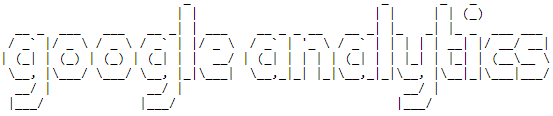
Or if Universal Analytics is installed, it will spell "google analytics":

google analytics spelled in large ascii symbols

Hopefully this helped you verify your tracking data is working. If you’re interested in boosting your business’ online success, get in touch with us.

What is Screaming Frog SEO Spider?

Today we're going to talk a bit about Screaming Frog SEO Spider, which is a powerful tool for both SEO specialists and website owners alike. It can show a sky high overview or a close up detailed inspection of a website. We will cover how to configure the tool to start a crawl and then how to start a basic analysis of the data.

How to use Screaming Frog to Audit Sites Quickly

If you just want to take a quick look at a prospect's website, you can use these settings. It will speed up the crawl if you skip the images, CSS, javascript and SWF when you're just trying to get a basic idea of what's going on with the website. 

Screaming Frog SEO Spider program window showing the top menu with Spider Configuration highlighted

'Configuration' -> 'Spider'

Screaming Frog SEO Spider Configuration menu on the crawl tab showing what settings to disable

"Crawl" tab -> Uncheck Resource Links boxes: Images, CSS, Javascript, SWF. 

From here you can pick and choose if you want to check Page Links or even the XML sitemaps and shift the crawl behavior, too. 

On the next tab, "Extraction", you can choose all the different kinds of details you want to look at, especially structured data like JSON-LD, RDFa, or Schema.org. This is a good way to see if the site is using structured data.  

Moving on to the "Limits" tab, we can also choose more settings for how deep you want to go in the site crawl. Defaults are fine here, but the customization will allow you to lower settings for a faster crawl, or dive deeper with a longer crawl. 


The "Rendering" tab has options to allow you to crawl sites that are not as crawler friendly. Default is text only, but you can shift this to Old AJAX or Javascript if necessary to crawl a site that's not working well with the crawler. If you notice you're not getting links during a crawl, try using these other rendering options.

Once you're happy with the spider configuration settings, you're ready to enter a URL to spider in the box at the top of the window, then click start on the right.

Screaming Frog SEO Spider program displaying where to enter your domain target and start a crawl

Just below where you entered your URL is a long row of tabs starting with "Internal". The cells below should start populating with all the pages that are linked to the URL you are crawling. You can click on each of these to get more information down below. The boxes on the right provide many different summaries. 

How to Look at Screaming Frog Data in Spreadsheet

Go to the "Internal" tab at the top, just below the row of tabs, click the "Export" button. You can choose to build a comma separated value (.csv), .xls or .xlsx file that you can then open with excel or sheets. 

Screaming Frog SEO Spider program showing how to export data to a spreadsheet

Alternatively, I find it faster to just highlight the cells I want and copy (Ctrl+C), then paste (Ctrl+V) in your spreadsheet (if the paste has a weird format issue, then undo {Ctrl+Z} and then paste without formatting {Ctrl+Shift+V}). Only issue with this method is you won't have the header row. 

How to see Screaming Frog Link Score with Crawl Analysis

Link Score is screaming frog's metric for internal links. After a crawl is complete, you can view your Link Score by clicking Crawl Analysis at the top of the program, then start. Once the analysis is complete you can scroll almost all the way to the right to the Link Score column. This is a good way to quickly analyze what pages need more internal links.

Screaming Frog SEO Spider program showing where to start the Crawl Analysis

Esseodigital is a digital marketing service providing agency experience at a freelance price. If you’re interested in boosting your businesses marketing success, please contact us.

SEO Design & Layout

The design & layout of your website is very important when it comes to having good search engine optimization. We will discuss how design and layout should look and what the guidelines are. Also we will cover the best practices to implement to make sure that it is in line with requirements and, most importantly, search engine friendly.


What is SEO Design & Layout?

First, design & layout is the overall look and feel of the website. It is also called the user interface (UI). It includes images, videos, design and content. All of these are an integral part of the overall look and feel. There are 3 parts of the website: From top to bottom they are the header, body, and footer.


What are Good SEO Design Guidelines?

Being responsive is important. This term is tricky, because you'd expect it to mean how quick it responds to user interaction. While that is an important factor to SEO, responsive actually means it displays the correctly sized layout depending on if the user is browsing on a desktop, laptop, tablet or mobile device. 


This is extremely critical to SEO today and Google takes this seriously. So seriously, in fact, that Google weighs your site's mobile design more importantly than the desktop when determining your authority.


Next, make it spacious. A cluttered website looks awful to users and creates a poor experience. 

This is not like a newspaper where everything needs to be crammed together to fit on a small sheet; whitespace on a screen is a free resource. It also allows you to better focus users' attention on specific elements of the page.


Also, simplify your website’s navigation. Don't make it a confusing maze for users to find what they are seeking. Display links to your most popular content on the header menu of your home page. It should be very clear and very simple so that a user will easily find the information they want.


Use relevant images and use them judiciously. High quality images that have been optimized for both file and screen size are best and you want to make sure to only use images that are relevant to the nearby page content.


Keep your font types and sizes consistent. Try to limit how many different styles are used on the page. It helps with good organization and information structure to use Header 1 once per page, followed by up to five Header 2 tags. You can use Header 3s more aggressively and most of your content will naturally be wrapped in paragraph tags.


Finally, it must be stressed again to make the page spacious. Keep the page clean and clutter free. This is a critical element along with keeping design and content user friendly.


What are Best Web Design Practices for SEO?

  • Responsive design consistent with all types of device

  • Clean crisp logo at the top left of the page

  • Menu bar should be on the top right or center

  • Drop down bars clearly laying out appropriate links (The links have to be very clear and easy to view, making sure that they are appropriately sized for each device. It is frustrating for users when they try to click on one link and another link that is too close gets mistakenly clicked.)

  • Important elements or links should be more easily found at the top

  • Content should flow like a story

  • High quality images.  Use clear images that are the same dimensions so that they line up with one another neatly

  • Social media widgets with links should be found clearly laid out in the footer 

  • The footer is a good place to list less popular links such as privacy policies, disclaimers, terms, or other services


Esseodigital is a digital marketing service providing agency experience at a freelance price. If you’re interested in boosting your businesses marketing success, please contact us.


ROI of SEO

When you’re working with businesses, it’s important to speak their language for effective communication. It may seem hard to quantify the value of SEO and all businesses want to know what the return on their investment (ROI) is going to be. There are many ways to value your service, and here’s a couple. One for starting out fresh and another for gauging improvement. 


How are Key Performance Indicators Used?

First you need to find a ‘key performance indicator’. This is going to change depending on the business you’re supporting. If it’s e-commerce, then product sales are an easy indicator. Lead generation is another indicator for most other businesses. For every X many leads you generate, a business will profit an estimated average amount. 


This can get complex, but ask the business you’re working with, “how do you measure success?” You’ll want to know at least two things. Ask how many leads convert into an average sale. And ask how much value is the average sale. If this is a young business, then this can change periodically based on its success. 


Once you have an idea of these, you can then set up a tracking element in Google Analytics to count contact form submissions or how many times a certain link is clicked. Just keep in mind some of these methods may work better than others. While designing this tracker, make sure to think critically about how the tracker might count incorrectly and try to mitigate for this as much as possible. 


How to Add Goals in Analytics:

https://analytics.google.com/

⚙️ Admin

Under the far right column:

Click "Goals" >> Add New Goal

Note: You can add a Value to Goals in Google Analytics. So if the client calculates that every lead gets them $100 on average, you can assign $100 to each goal completion and have the value inside Google Analytics.


Once that’s working properly, it’s as simple as taking the number of leads generated, and dividing that by how many leads on average to generate a sale. That gives us an estimate of the number of sales. Then multiply the number of sales by the average sale amount to find the  value added to the business. 


How to Measure ROI of SEO

The previous example is a simple way to measure ROI, and should be tracked from day 1 of working with a business. Word of warning, the next thing I’d like to get into is going to have a little more math, however it should help with calculating if certain efforts are worth putting in time or not. 


So say for example we have an e-commerce site, fidgetpoppers.com, selling an amazing niche $50 product. We’re ranked 3 for our high value ‘fidget popper’ keyword. According to Moz, organic click through rate (oCTR) is 7% on average for a 3rd position transactional keyword. (2nd is 11% and 1st is 22%). 


Our site’s traffic is roughly 14,272 visits per month. 7% of our traffic clicks through. For the sake of simple math, let’s say 1,000 of these are organic click throughs (oCTR) monthly for the specific KW we want to improve. If we say about 3% of these clicks will go on to become sales, we have a conversion rate of 3% (this is on the high end of average e-commerce %). Then remember we’re selling a $50 product. Brace yourselves, here comes the math.


oCTR Conv. Avg Value SEO Value Added

1,000 x 3% x $50 = $1,500/mo


You see, once we start establishing some of these numbers, and experimenting with different values in the formula, we can begin to see how much we stand to gain from our efforts. On average, e-commerce ROI is $2.75 for every $1 spent on SEO, however your mileage may vary. This isn’t an insert money, receive profit method. You must apply reasonable expectations and thought here.


If you found this helpful or would like to consult with us, please contact us here. Esseodigital is a digital marketing service providing an experience you’d expect from an agency at the price of a freelancer.